
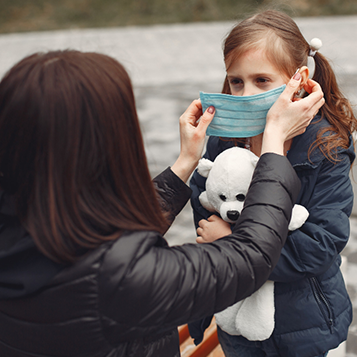
Helping Kids Embrace Mask-Wearing: A Parent’s Guide
The COVID-19 pandemic has significantly altered the way we live, work, and interact with one another. One of the most noticeable changes has been the need to wear masks for safety—especially for children, who often struggle with understanding why it’s necessary. As parents, caregivers, and teachers, it’s essential to find ways to help children accept and even embrace mask-wearing in a manner that feels safe, enjoyable, and understandable to them.
One such tool that can help ease this process is the children’s book Mari Mask On Not Off by Connie D. Standifer. This delightful story follows Mari, a young girl who is reluctant to wear her mask, despite her mother’s constant reminders about its importance. Mari’s journey offers valuable lessons about the importance of mask-wearing and can serve as a powerful tool to help children feel more comfortable in the world of masks.
In this blog, we’ll explore practical tips for parents inspired by Mari Mask On Not Off to help kids understand, accept, and even enjoy wearing a mask. These strategies will not only make mask-wearing easier but will also encourage safety and health as children navigate this new normal.
Start with Stories: Make It Relatable
One of the easiest ways to help children understand the importance of wearing a mask is by introducing them to stories that reflect their own experiences and perspectives. Books like Mari Mask On Not Off do an excellent job of weaving the message of safety into a fun, relatable narrative. Children love stories, and by introducing the concept of mask-wearing through characters like Mari, you can engage their imagination and make them feel less alone in their experiences.
In the book, Mari struggles with the discomfort of wearing a mask, but eventually, she learns to embrace it as a form of protection for herself and others. This narrative can help children see the mask as something positive, rather than something to resist. Try reading this story with your child, or find other books that discuss the importance of masks, so they can hear it from a character they can relate to.
Pro Tip: After reading, encourage your child to share their feelings about wearing a mask. Use the story as a springboard for a conversation about their own experiences and any discomfort they may be feeling.
Make Mask-Wearing Fun: Personalize the Experience
Wearing a mask doesn’t have to feel like a chore! One way to make the experience more fun is by letting your child personalize their mask. Whether it’s picking out their favorite colors, patterns, or even adding fun accessories like stickers, making the mask their own can help children feel more connected to it.
In Mari Mask On Not Off, Mari’s resistance to wearing her mask stems partly from the fact that she feels it hides her smile. This is a common concern for many children. To combat this, you can let your child choose a mask that they love or even have fun decorating plain masks together. When children take ownership of the mask, they’re more likely to wear it with pride.
Pro Tip: If your child enjoys arts and crafts, try a DIY mask-decorating session at home. You can use fabric markers, rhinestones, or iron-on patches to create a one-of-a-kind mask.
Establish a Routine: Consistency is Key
Children thrive on routine and structure, and the same goes for mask-wearing. It’s essential to make wearing a mask a regular part of your child’s daily routine, whether it’s during trips to the store, playdates, or school. By establishing a consistent routine where wearing a mask is just as normal as brushing their teeth, children will begin to accept it as a natural part of their life.
In the book, Mari’s mom constantly reminds her to wear her mask, and though Mari is initially resistant, the consistent message helps her understand its importance. The more your child sees that mask-wearing is a non-negotiable part of life, the more likely they are to adopt it willingly.
Pro Tip: Turn mask-wearing into a habit by incorporating it into daily activities. For example, make a game of “mask time” before heading to the grocery store, or have a special “mask dance” routine that helps signal the start of a mask-wearing session.
Acknowledge Their Feelings: Validate Their Emotions
It’s important to acknowledge that children may feel anxious, frustrated, or uncomfortable about wearing a mask, especially if they’re not accustomed to doing so. In “Mari Mask On Not Off,” Mari’s feelings of resistance and discomfort are palpable, reflecting a very real challenge that many children face during the pandemic.
As a parent, it’s essential to acknowledge these feelings and let your child know that it’s okay to feel frustrated or unsure. Having open discussions about their emotions will not only help them feel heard but will also provide the opportunity to work through these feelings together.
Pro Tip: Use positive reinforcement and praise your child when they wear their mask, even if it’s just for a short period. Encouraging words like “I’m so proud of you for wearing your mask to keep everyone safe!” can go a long way in boosting their confidence and making them feel supported.
Use Positive Reinforcement: Celebrate Small Wins
Encouraging your child to wear their mask is an ongoing process, and celebrating their progress, no matter how small, is a powerful motivator. In Mari Mask On Not Off, Mari gradually learns to embrace her mask, and the book shows that change doesn’t happen overnight. By celebrating small wins—like wearing the mask for a few minutes or wearing it without complaint during a short errand—you’ll help your child feel more comfortable with the process.
Positive reinforcement is a powerful tool for motivating kids. For example, consider using a reward system where your child earns a small treat, sticker, or extra playtime each time they wear their mask. The goal is to make wearing a mask a positive experience, one that they’ll eventually embrace on their own.
Pro Tip: Create a reward chart with fun visuals that track each time your child wears their mask. This visual reminder of progress can help keep them motivated.
Lead by Example: Be a Role Model
Children learn by watching those around them, especially their parents. If you want your child to embrace mask-wearing, be sure to set an example by wearing your mask consistently and confidently. When your child sees you wearing your mask without fuss, they’re more likely to follow suit.
In the book, Mari’s mother is a constant reminder of the importance of mask-wearing. By modeling safe behavior, parents can instill the same values in their children. Children are more likely to embrace something when they see that the adults they trust are also committed to it.
Pro Tip: Let your child know why you wear a mask, and explain how it helps protect others. When they understand that it’s not just about them, but about keeping everyone safe, they may be more willing to wear their own.
Final Thoughts
Helping children embrace mask-wearing doesn’t have to be a battle. With the right tools and strategies—such as those inspired by Mari Mask On Not Off—parents can make the process easier, more enjoyable, and even fun. By starting with stories, making the experience personal, and maintaining a positive, consistent approach, you’ll help your child feel empowered to wear their mask confidently and safely.
Remember, just like Mari, your child will eventually get the hang of it. The goal is not just to help them wear a mask, but to teach them the value of caring for themselves and others. So, put on your mask for safety, and let the adventure begin!